

In vitro fertilisation (IVF) in Germany
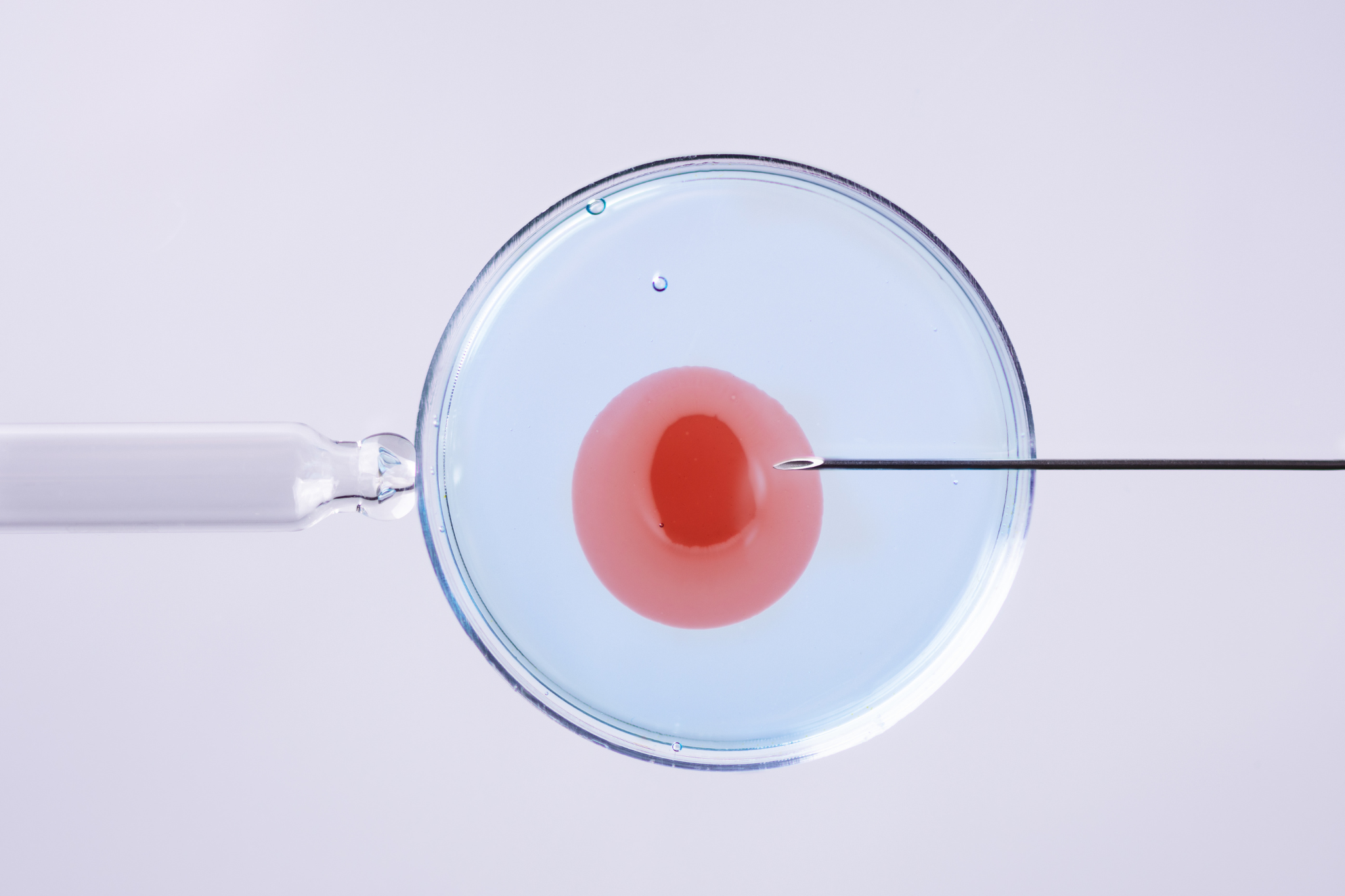
IVF in Germany – modern technology and high success rates
IVF in Germany combines innovative reproductive technology, strict medical standards, and many years of clinical experience. Germany is one of Europe's leaders in the quality of artificial insemination programs, and all reproductive medicine centers operate according to uniform EU protocols and standards. For international patients, this means safety, price transparency, and predictable results.
Medical Expert organizes turnkey infertility treatment in Germany: from initial consultation and document preparation to support at all stages of the program.
Why patients choose IVF in Germany
Germany is known for its high standard of medical care and strict quality control. Reproductive centers are certified according to international standards, and treatment is carried out in accordance with EU legislation.
Key advantages:
- Modern, expert-grade equipment
- Individual stimulation protocols
- Genetic diagnosis of embryos
- High transparency of calculations
- Ethical standards and protection of patient rights
It is important to note that the cost of IVF programs in Germany is regulated by the insurance system, so prices in clinics are approximately the same, which excludes unreasonable markups.
Infertility treatment methods
IVF and ICSI
The main method is in vitro fertilization (IVF). In cases of male infertility, ICSI is used—intracytoplasmic sperm injection into the egg. These technologies make it possible to achieve fertilization even in complex clinical cases.
Cryopreservation
Eggs, sperm, and embryos are frozen using modern vitrification technologies. This makes it possible to preserve reproductive material for the future and increase the chances of pregnancy on a subsequent attempt.
Additional technologies
- Assisted Hatching (laser assistance for embryo implantation)
- MESA / TESE - surgical sperm retrieval
- Genetic testing to rule out hereditary diseases
The use of these methods increases the likelihood of successful implantation and reduces the risk of complications.
How the IVF program works in Germany
The program is organized according to a clear medical algorithm:
- Initial consultation, tests, ultrasound, hormone tests.
- Individually tailored hormone stimulation.
- Egg retrieval under short-term anesthesia.
- Fertilization (IVF or ICSI).
- Embryo cultivation for 3-5 days.
- Transfer of 1-3 embryos into the uterine cavity.
- After the embryo transfer, the patient can return home the very next day. Pregnancy monitoring is carried out at the patient's place of residence, followed by online consultations with German specialists.
IVF prices in Germany
The cost of the program depends on the individual protocol, but the approximate costs are as follows:
- Initial diagnosis: €650-850
- Stimulation medication: approximately €1,000
- IVF/ICSI program: approximately €5,500
- Anesthesia: approximately €550
- Cryopreservation and storage: €500 in the first year, then approximately €300 per year
Payment is made directly to the clinic. The cost may vary depending on the clinic.
Benefits for international patients
Medical Expert provides:
- Appointment scheduling and treatment date coordination
- Preparation and translation of medical documents
- Airport transfer arrangements
- Assistance with accommodation
- Interpreter at the clinic
- Support after returning home
We work independently of specific clinics and select a reproductive medicine center based on the patient's diagnosis, age, and individual characteristics.
Questions and answers
How long does the program take? The first visit takes about 2-3 days. The main stage takes 7-10 days.
What is the success rate? The result depends on age and medical indications, but Germany has one of the highest success rates in Europe.
Can embryos be frozen? Yes, cryopreservation is available for subsequent attempts.
Medical Expert – a reliable path to parenthood
IVF in Germany is an investment in the health and future of your family. Modern technologies, strict standards, and an individual approach allow us to achieve maximum results even in complex cases of infertility.
